
OUR SHRINKING MUSCLES FOR FOCUS AND ATTENTION
A thought about ADHD, the attention economy, and what the fitness industry might do about it

ADHD as protest
You know those polar bears in the zoo, obsessively pacing around in circles? That’s because their genes expect them to wander huge distances searching for seals.
Their zoo-behavior is a kind of protest. And it has strong ADHD-like features.
The same happens with dogs endlessly chasing their tails in cramped city apartments. There are even parrots on Prozac now. It raises an uncomfortable question about ADHD, modern life, and the environments we create.
Maybe ADHD is not always just a genetic disorder.
Maybe sometimes it is also a signal that our environments clash with our DNA.
About 13% of adolescents in the United States are diagnosed with ADHD.
Medications like Ritalin can relieve symptoms. But it also risks hiding the deeper story. Those adolescents may also be protesting against the confinement of modern childhood.
When I grew up in the 1960s, kids wandered around for hours.
Unsupervised. Unstructured. Exploring neighborhoods, forests, and streets.
Back then, no helicopter parents exerting almost continuous control over their children. Which taught us how to build focused (physical) confidence.
Also, schools have become more controlling – exam preparations above all – and less about enhancing free-floating creativity. It is all understandable. But so is the rise of ‘protest’ ADHD.
In our culture of divorce, many boys grow up without much masculine physical energy around. They have to sit still. Unable to focus on whatever.
Less sleep: less focus
Many deprive themselves of sleep. Lack of sleep decreases our ability to focus and pay attention. Eighteen hours without sleep equals 0.05 alcohol percentage in your blood. Three hours more awake, and you are legally drunk.
Cavemen often had to force themselves to stay awake for unhealthy long hours when they sensed dangerous animals close by. When we now stay awake too long, our caveman DNA still thinks we are in danger. It doesn’t realize we are just watching Netflix, and starts preparing our body for a prehistoric emergency.
Raising blood pressure. Floods of stress hormones. Increasing bodily sugar production for an immediate energy boost.
On our couches right now, it translates into a craving for fast food and snacks.
Stress society, mental health, and our collective incapacity to focus
It is much easier to resist the next hamburger, Netflix episode, or Facebook notifications when you have slept enough. It enables you to manage your stress levels more effectively.
But there are huge counterforces at play. Take the unequal fight against being overweight and overeating. Unequal, because an army of corporate food scientists knows in detail how to seduce us into taking in more sugar, fat, and salt than any former generation could even imagine.
Or take the collective wish to move more – ‘10.000 steps’ has become part of our collective consciousness.
At the same time, Netflix’s algorithms are determined to keep us on the couch longer. Or consider the collective wish to spend less time behind our screens and on social media. At the other side of our screens, though, world-class engineers are fully devoted to keeping us glued and addicted.
Think the notification bleeps.
Think about all the prompts to click further.
Think the fear of missing out (FOMO) on the overdose that the internet is feeding us.
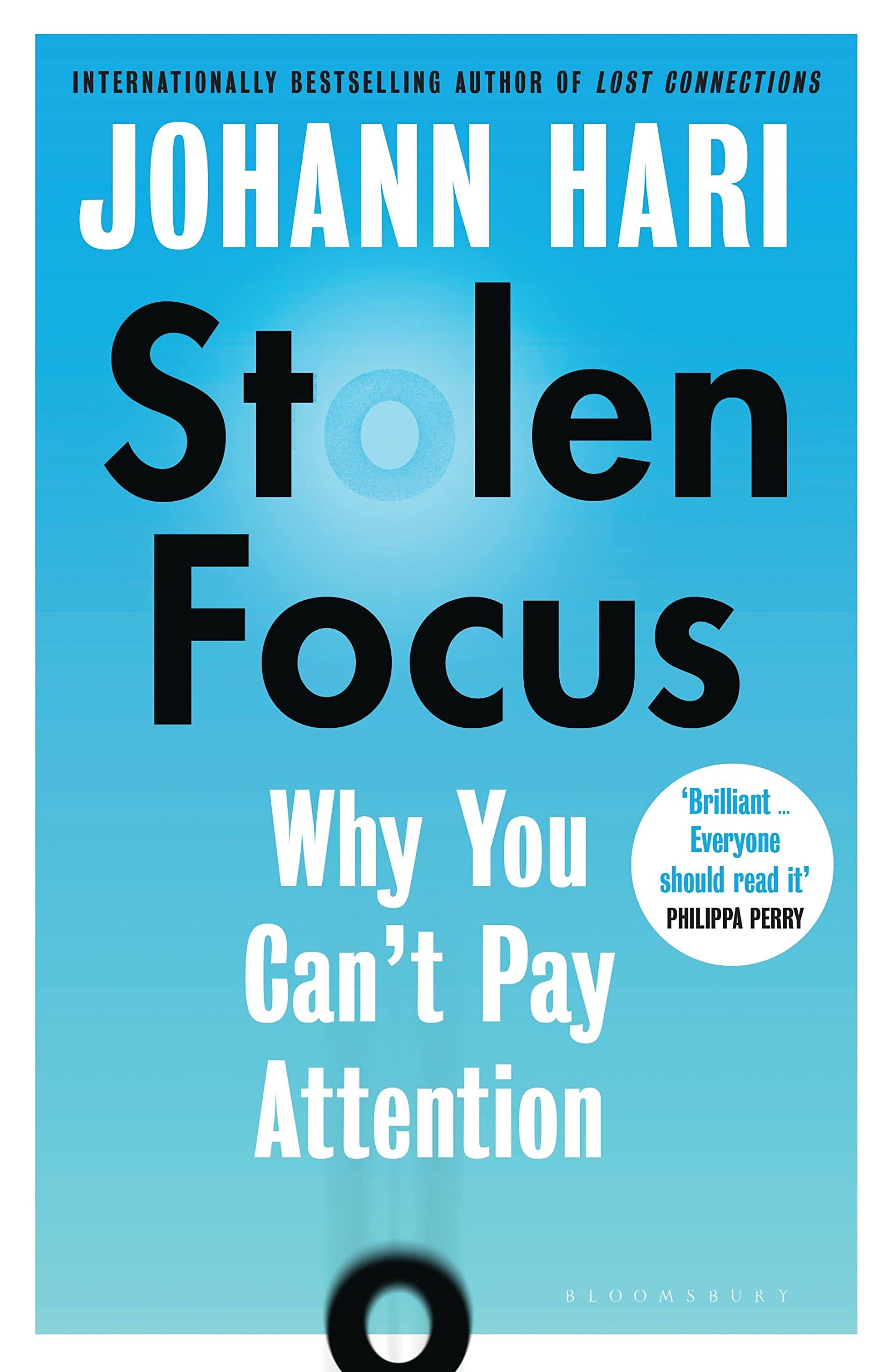
It all forces us to switch focus and attention constantly. Which fractures and shatters both. We are exchanging insights for soundbites. And thoughtful messages for tweets. Concentration is evaporating, society-wide.
Without sustained focus and attention, it is difficult to achieve the things we want to achieve. Both as an individual and as a society. When focus and attention break down, problem-solving breaks down.
Do we really think we can solve our planet’s pressing problems with soundbites and tweets - those natural outcomes of fractured attention and shattered focus?
Maybe we hope that our politicians are better equipped for problem-solving than we. Forget it. No professional group is more addicted to their ceaselessly shrieking, continuous topic-hopping screens.
Our focus is stolen from us.
That’s more threatening than 13% of our adolescents diagnosed with ADHD.
What can this mean for the fitness industry?
Concerning overweight and health, our industry has become a force for good.
Concerning society’s lack of mobility, we know the enemy: the couch.
With regards to stress, we know that our exercises, club social, and fresh mental health practices relieve and release.
BUT HOW DO WE DEAL WITH THIS NEW IMPENDING CRISIS? THE DISCOMFORTING AWARENESS ABOUT OUR STOLEN FOCUS?
I can imagine traditionalists will refrain from the topic.
We can’t carry all the world’s plights on our shoulders.
Others might jump at the occasion. When focus, attention, and concentration are under attack, what’s a better place to conquer some of them back than the gym?
It is time to rethink flow. Flow is when you are so absorbed in what you are doing that time seems to fall away. Writers know flow. Painters know flow. Runners know flow.
“Flow is the deepest form of focus and attention that we know of.”
The fitness industry has lots of knowledge about flow. Is it time to reframe that expertise with a new relevance: helping society win back sustained focus and attention?
Society needs it. Our members and prospects, too. A pile of studies documents it. Our industry has the potential to deliver. It is worth exploring the challenge with the more innovative avant-garde of the industry.
Even a partial answer can lead to pastures of lucrative future growth potentials.
If attention is becoming society’s scarcest resource…
Could the gym become the place where people learn to focus again?
If focus becomes rare, places that help people regain it may become much more valuable than we currently realize. When you think about it is perfect for fitness industry to grow.
This is an interesting analysis I haven't seen before. The environment we grow up in as for sure a massive impact on ADHD... but the way you present it as a form of protest is great food for thoughts!